By Evan Kropp
As the world’s web of communications options becomes more complex, public relations professionals are more critical than ever. PR pros are the architects of a brand’s reputation, the strategists behind successful communications campaigns, and the crisis managers when the unthinkable happens.
They work in an area of expertise that is more than managing a company’s image or securing media coverage. It’s about crafting compelling narratives, building lasting relationships, staying ahead of trends, and navigating a world where a mouse click or a few keystrokes can make or break a reputation.
Mastering this field requires developing a diverse and dynamic skill set, blending creativity with strategic foresight and a deep understanding of both traditional and digital media. Many aspiring professionals pursue an online communications degree to attain those skills.
Whether you’re a budding PR professional or a seasoned expert, developing an edge that keeps you ahead in the industry is essential. The following article offers an overview of seven skills that can set a PR professional on the path to achieving that goal.
Exceptional Writing and Storytelling
At the heart of any successful PR strategy is the ability to communicate clearly and persuasively. Exceptional writing and storytelling skills are fundamental whether you’re drafting a press release, crafting a compelling pitch, or developing engaging social media content. PR professionals must transform complex ideas into narratives that capture attention and resonate with target audiences. The goal isn’t just to inform but to inspire and connect. In an era of information overload, strong writing helps ensure that your message stands out and leaves an impression.
Media Savvy and Relationship Building
Navigating the media landscape is an art form. PR professionals must understand how journalists and media outlets operate, what they’re looking for in a story, and how to pitch ideas that align with their needs. Building and maintaining relationships with journalists, editors, and influencers is crucial. It’s about developing genuine partnerships built on trust and mutual respect. Knowing which media platforms are most influential for your target audience and understanding the nuances of different publications can make or break a campaign.
Strategic Thinking and Planning
Public relations is about reacting to events as they unfold, but it also requires strategic thinking and meticulous planning for potential issues. Successful PR professionals anticipate trends and align strategies with the overall goals of their organization or clients. This skill involves being proactive and reactive, balancing long-term vision with short-term needs. From media outreach plans to crisis communication strategies, having a strategic mindset ensures campaigns are effective and adaptable.
Crisis Management and Problem-Solving
When a crisis strikes, PR professionals are often on the front lines. A sudden scandal, a negative news story, or a public backlash can quickly damage a brand’s reputation if not managed properly. The ability to remain calm under pressure and to think on your feet are essential attributes. The best PR professionals are also adept at scenario planning and know how to prepare their teams in advance, so when the unexpected happens, they’re ready.
Digital and Social Media Expertise
The digital revolution has reshaped the PR landscape, making it vital for PR professionals to be fluent in all things digital. Social media platforms are where brands interact with the public most frequently, requiring a particular set of skills to manage effectively. This means understanding the nuances of different platforms, knowing how to engage audiences authentically, and using social listening tools to monitor brand sentiment. Being digitally savvy is not just an advantage. It’s become a necessity. This is one of the main reasons that an online communications degree program is attractive to working PR professionals.
Analytics and Data Interpretation
Data-driven decision-making is increasingly at the core of effective PR strategies. From measuring the reach of a media campaign to analyzing social media engagement or assessing website traffic, PR professionals must be comfortable interpreting data. Understanding analytics helps professionals prove the value of their work and predict future trends. In short, they must know how to connect the dots with data. The ability to translate data into compelling narratives is a skill that sets top PR professionals apart from the rest.
Adaptability and Continuous Learning
The only constant in the world of PR is change. The industry is constantly evolving, whether due to new technologies, changing consumer behaviors, or shifts in the media landscape. Successful PR professionals are lifelong learners who look to sharpen their skills and stay ahead of the curve. Adaptability is about being flexible and open to new ideas, whether learning to use a new social media platform, embracing innovative communication tools, or responding to global events that impact your campaigns. The most successful PR professionals know how to pivot strategies when needed and understand that complacency is not an option.
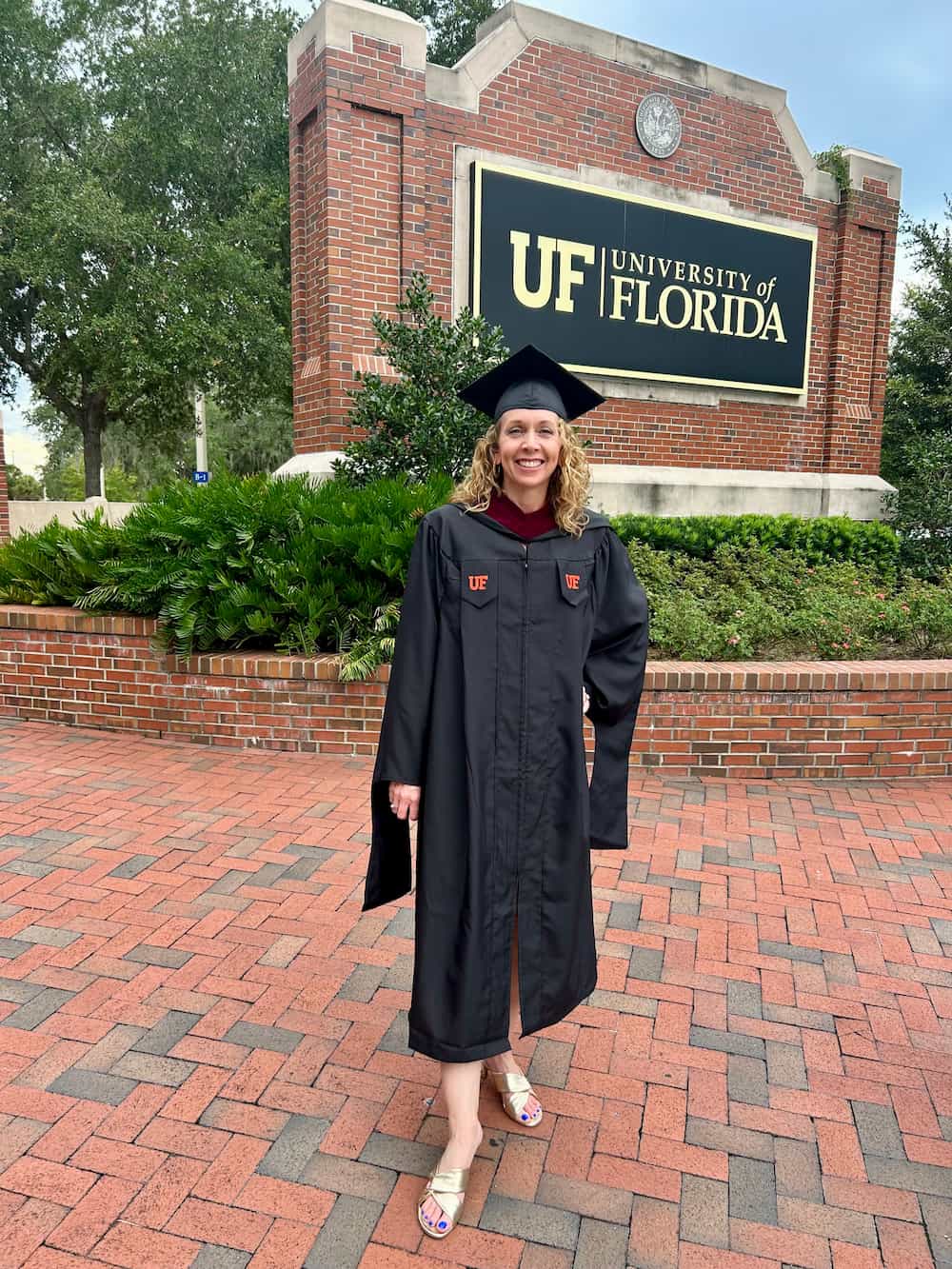
The University of Florida College of Journalism and Communication (UF CJC) offers an online Master of Art in Mass Communication that allows graduate students to concentrate in one of seven areas, including public relations. The online communications degree program offers a public relations concentration that prepares graduates to become leaders in a dynamic and demanding field that requires a unique blend of skills.
Whether you’re an aspiring PR professional or a seasoned expert looking to stay ahead of the game, it’s a program that can make a difference. In an industry where every message counts and every second matters, being a master communicator, strategic thinker, and data-savvy digital expert sets you up for success.